Tablet boxes
Product Description
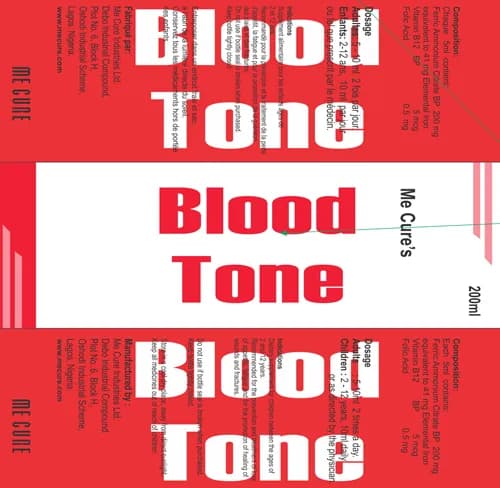
Carton boxes are industrially prefabricated boxes, primarily used for packaging goods and materials and can also be recycled. Specialists in industry seldom use the term cardboard because it does not denote a specific material
Pharmaceutical packaging is highly regulated but with some variation in the details, depending on the country of origin or the region. Several common factors can include: assurance of patient safety, assurance of the efficacy of the drug through the intended shelf life, uniformity of the drug through different production lots, thorough documentation of all materials and processes, control of possible migration of packaging components into the drug, control of degradation of the drug by oxygen, moisture, heat, etc., prevention of microbial contamination, sterility, etc. Packaging is often involved in dispensing, dosing, and use of the pharmaceutical product. Communication of proper use and cautionary labels are also regulated. Packaging is an integral part of pharmaceutical products.
Package forms
- Blister packs
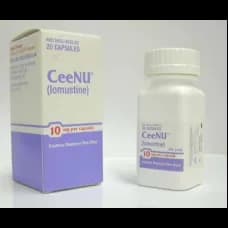
- Bottles
- Timed dosing
Prescription labels
Prescription drug packaging often comes with a drug label.[11] Even though drugs come with instructions, it is best for patients to talk with their physician and their pharmacist about using a drug.[12] The patient can then use the label for additional information and for ideas on questions to ask their health care provider.[12]
The prescription label usually contains the following information:
- pharmacy name
- name of the doctor who wrote the prescription
- brand of the drug
- generic name of the drug
- instructions for taking the drug
- safety alerts
- drug expiration
- patient name
- any identifying number for the prescription
- date the prescription was filled
- dose of the drug
- number of drug refills permitted
Along with the label on the bottle, some pharmacies may provide a "patient information sheet”.