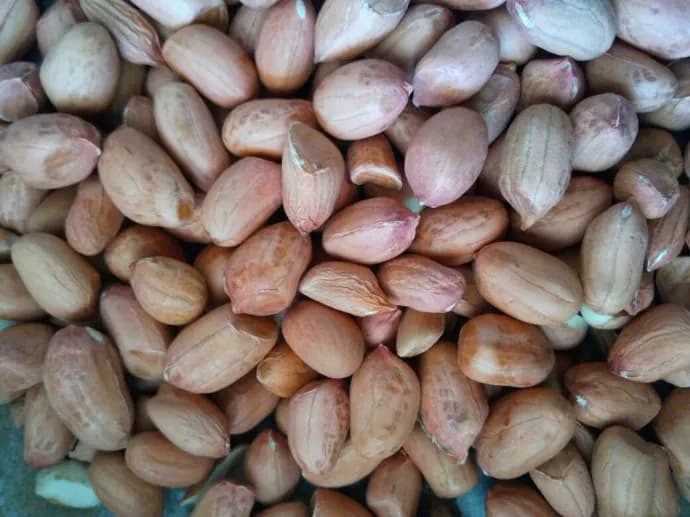
Dried fruits from India
Product Description
Dried fruit is fruit from which most of the original water content has been removed either naturally, through sun drying, or through the use of specialized dryers or dehydrators. Dried fruit has a long tradition of use dating back to the fourth millennium BC in Mesopotamia, and is prized because of its sweet taste, nutritional value, and long shelf life.
Today, dried fruit consumption is widespread. Nearly half of the dried fruits sold are raisins, followed by dates, prunes, figs, apricots, peaches, apples, and pears.[1] These are referred to as "conventional" or "traditional" dried fruits: fruits that have been dried in the sun or in heated wind tunnel dryers. Many fruits such as cranberries, blueberries, cherries, strawberries, and mangoes are infused with a sweetener (e.g., sucrose syrup) prior to drying. Some products sold as dried fruit, like papaya, kiwi fruit, and pineapple, are most often candied fruit.
Traditional dried fruit such as raisins, figs, dates, apricots, and apples have been a staple of Mediterranean diets for millennia. This is due partly to their early cultivation in the Middle Eastern region known as the Fertile Crescent, made up of parts of modern Iran, Iraq, Syria, and Lebanon, southwest Turkey, and northern Egypt. Drying or dehydration also happened to be the earliest form of food preservation: grapes, dates, and figs that fell from the tree or vine would dry in the hot sun. Early hunter-gatherers observed that these fallen fruits took on an edible form and valued them for their stability as well as their concentrated sweetness.
Benefits of Dried Fruits
1. Almonds
An everyday dry fruit you should never skip. One of the most commonly consumed dry fruits, almonds have several health benefits for people across age groups. Here are a few reasons why you should munch on a handful of almonds every single day:
Heart Health
Being naturally high in monounsaturated fatty acids and Vitamin E, almonds help in maintaining healthy cholesterol levels. The presence of Magnesium and Potassium also helps to maintain normal blood pressure and heart function.
Weight Management
High dietary fiber, proteins, and good fats present in almonds make you feel fuller and thus help to avoid overeating. Studies have shown that those on an almond-enriched diet had greater reductions in weight, waistline circumference, and body fat.
Blood Sugar Control
Experts believe that when almonds are eaten with a meal, the monounsaturated fatty acids in almonds help slow down the release of glucose into the bloodstream and thus prevent sudden spikes in blood sugar levels.
2. Walnuts
A powerhouse of goodness. Including walnuts in your diet everyday can have several health benefits.
Brain Food
Walnuts have a number of neuroprotective compounds such as vitamin E, Omega 3 fatty acids, and antioxidants which help to enhance cognitive function. They help to fight stress and promote a sense of calm. According to studies, vitamin E and flavonoids in walnuts also help to destroy harmful free radicals that can cause dementia.
Cancer Fighting Properties
Regular consumption of walnuts can help reduce the risk of pancreatic and breast cancer as well as reduce the