Dried fruits from India
Price as per order
Product Description
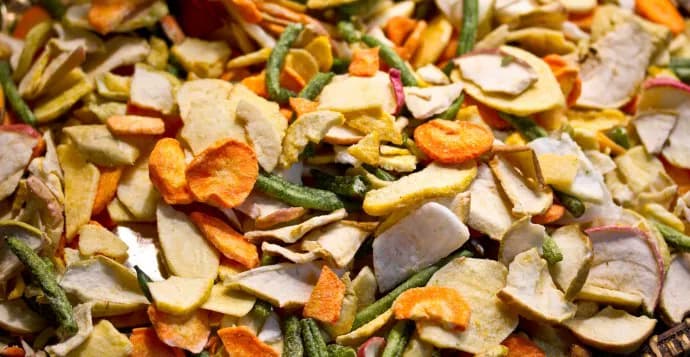
Dried fruits are dried, and it has been completely dried. Dried fruit has a long tradition of use. e.g. in Mesopotamia, and appreciated its nutritious value and long shelf life.
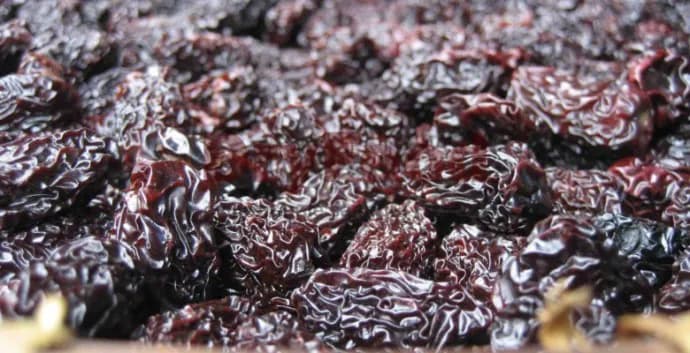
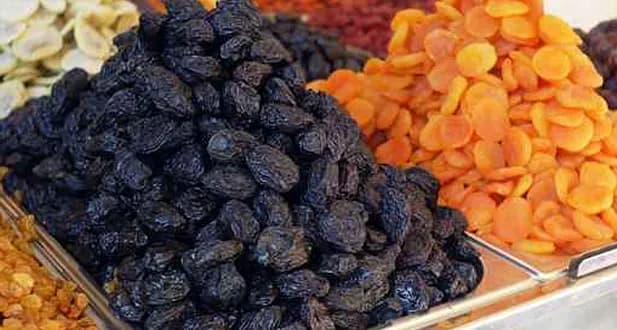
Today, dried fruit consumption is widespread. Almost half of the dried fruits sold are raisins, followed by dates, prunes, figs, apricots, peaches, apples, and pears [1]. These are called "ordinary" or "traditional" dried fruits: fruits that have been dried in the sun or in a heated wind dryer. Many fruits, such as cranberries, blueberries, cherries, strawberries, and mangoes, are mixed with a sweetener (for example, sucrose syrup) before drying. Some products are sold as dried fruits, such as papaya, kiwi, and pineapple, most often candied fruits.
Traditional dried fruits such as raisins, figs, dates, apricots, and apples have been one of the main products of the Mediterranean diet for thousands of years. This is partly due to their early cultivation in the Middle East region, known as the fertile crescent, made up in parts from modern Iran, Iraq, Syria, and Lebanon, in southwestern Turkey and Northern Egypt. Drying or dehydration also turned out to be the very first form of food preservation: grapes, dates, and figs that fell from a tree or the vines dried out in the hot sun. Ancient hunters and gatherers noticed that these fallen fruits were edible and valued them for their stability, as well as their concentrated sweetness.
Benefits of Dried Fruits
1. Almonds
Everyday dried fruits that you should not miss. One of the most commonly consumed dried fruits, almonds have several health benefits for people of different age groups. Here are a few reasons why you should eat a handful of almonds every day
Heart Health
Being naturally high in monounsaturated fatty acids and vitamin E, almonds help in maintaining a healthy